Questions and answers
California drinking water regulations, answered for the people who have to follow them
Plain answers for water systems in Fresno, Madera, Kings, Tulare and Mariposa counties, covering compliance notices, state reporting, operator requirements and water sampling.
Licensed and certified
D2 #55420 and T2 #45082
Urgent work covered
Same day if urgent, otherwise within the same week
Fresno based, five counties
70 mile radius from Fresno
Samples delivered for you
Collection and courier to the laboratory
Start here if you have a notice in front of you
Most people land on this page because something arrived from the state and it is not obvious what it means or how long they have to answer it. The sections below run in that order. Regulations first, then notices and violations, then the reports and plans the state asks for, then operators, then sampling.
California drinking water regulations change, and what applies to your system depends on how it is classified, where its water comes from and which agency oversees it. Nothing on this page is legal advice. Treat it as a starting point, then follow the instructions on your own notice.
If you already know what you need, the work itself is covered under compliance and reporting support, sampling and courier runs and water operator coverage. If you are not sure which one applies, call or email us with the notice in hand.
California drinking water regulations, Title 22 and who enforces them
The rules that decide what your system has to do.
- What is California Title 22 drinking water compliance?
- Title 22 of the California Code of Regulations holds many of the state rules that govern public drinking water systems, including monitoring, water quality and reporting requirements. Which of those rules apply to you depends on your system type, its source, any treatment it runs and the agency that regulates it. We can read a notice or a monitoring schedule and identify what is actually required.
- Who regulates public drinking water systems in California?
- The State Water Resources Control Board, through its Division of Drinking Water, regulates public drinking water systems in California. Some systems are overseen instead by a Local Primacy Agency, usually a county environmental health department. The notice you received normally names the agency responsible for your system and states what response it expects.
- What is a public water system?
- A public water system is a regulated system that supplies drinking water to the public under federal and California drinking water rules. Whether a particular well or facility counts as one depends on things like how many service connections it has and how many people it serves. Confirm your classification with the Division of Drinking Water or your Local Primacy Agency.
- What is a small water system?
- California uses several water system classifications, and the rules differ by classification and size. Small systems often run with very few staff, which is why they commonly need outside help with certified operator coverage, sampling schedules, recordkeeping and regulatory reporting. The classification your system falls into determines most of what it has to do.
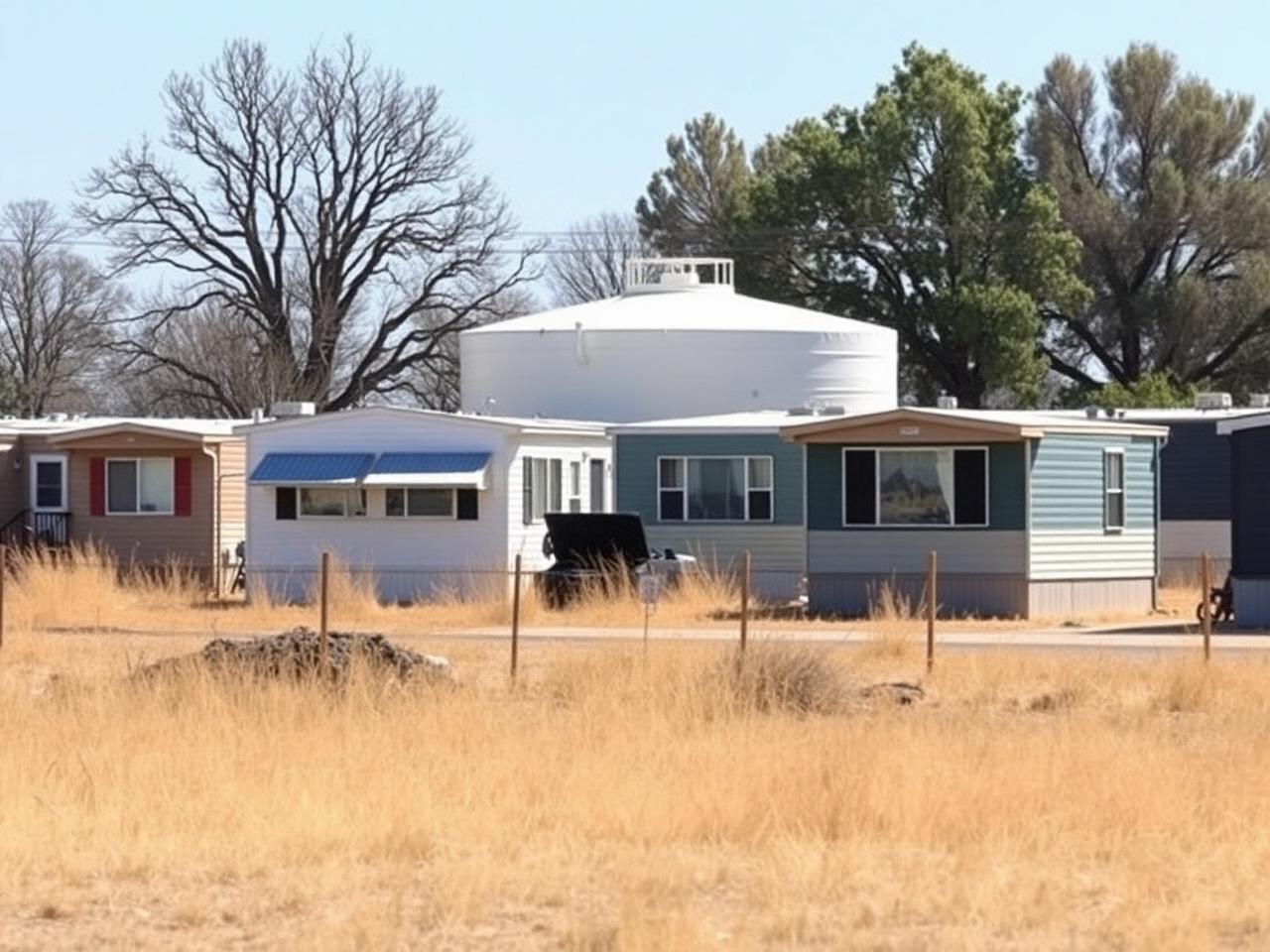
- Does a mobile home park need a certified water operator?
- If a mobile home park runs a regulated public water system, operator certification requirements may apply based on how that system is classified for treatment and distribution. The first step is to look at the system classification and the operator requirements shown in its state or local regulatory records, because those set the grade of operator required.
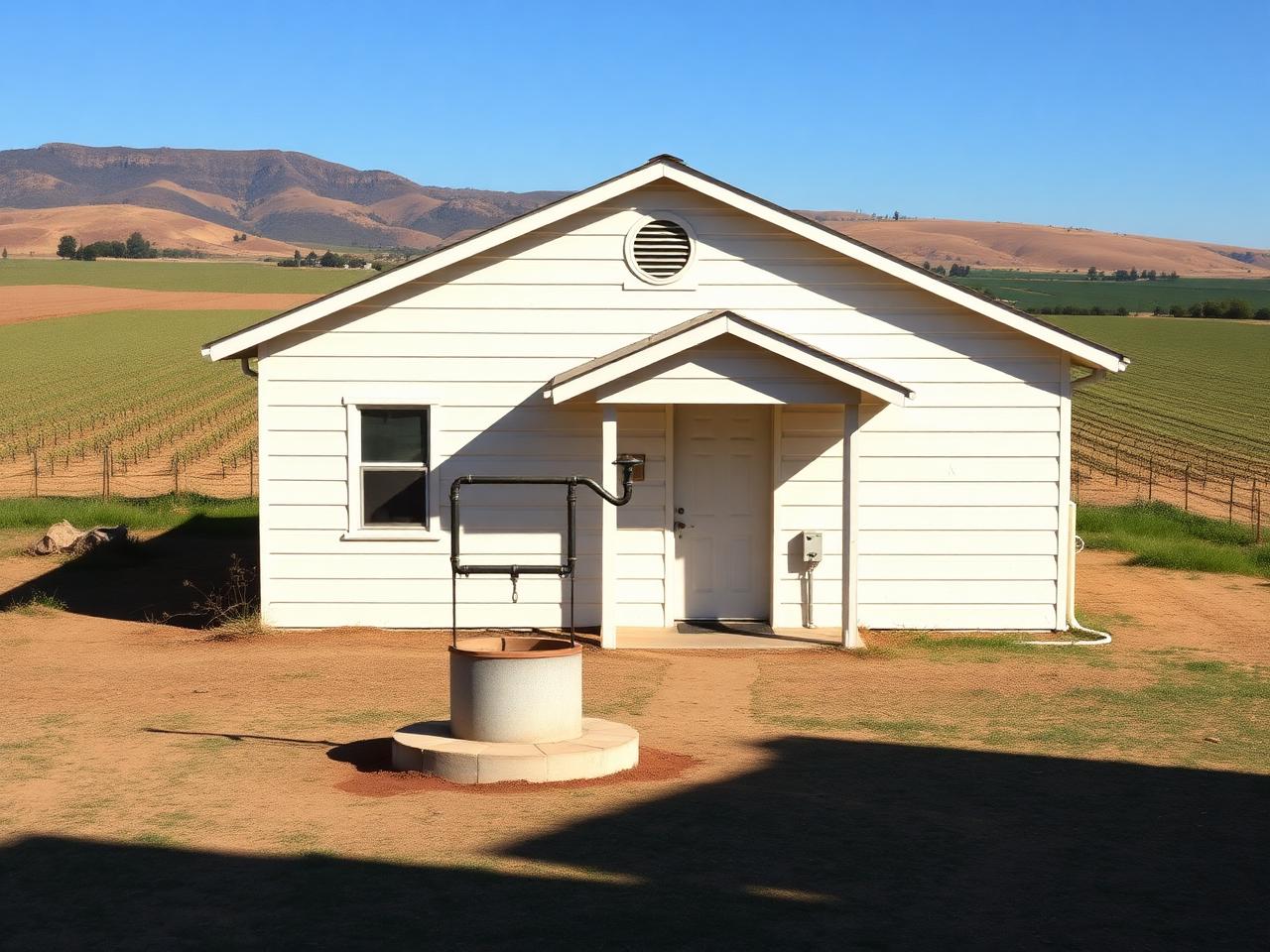
- Does a school or church on a private well need drinking water compliance services?
- A school, church or similar facility that supplies its own drinking water may fall under public water system rules depending on how many people it serves and how regularly. That determination drives everything else, including monitoring and reporting. We can review the system's regulatory status, its monitoring schedule and any notices it has received.
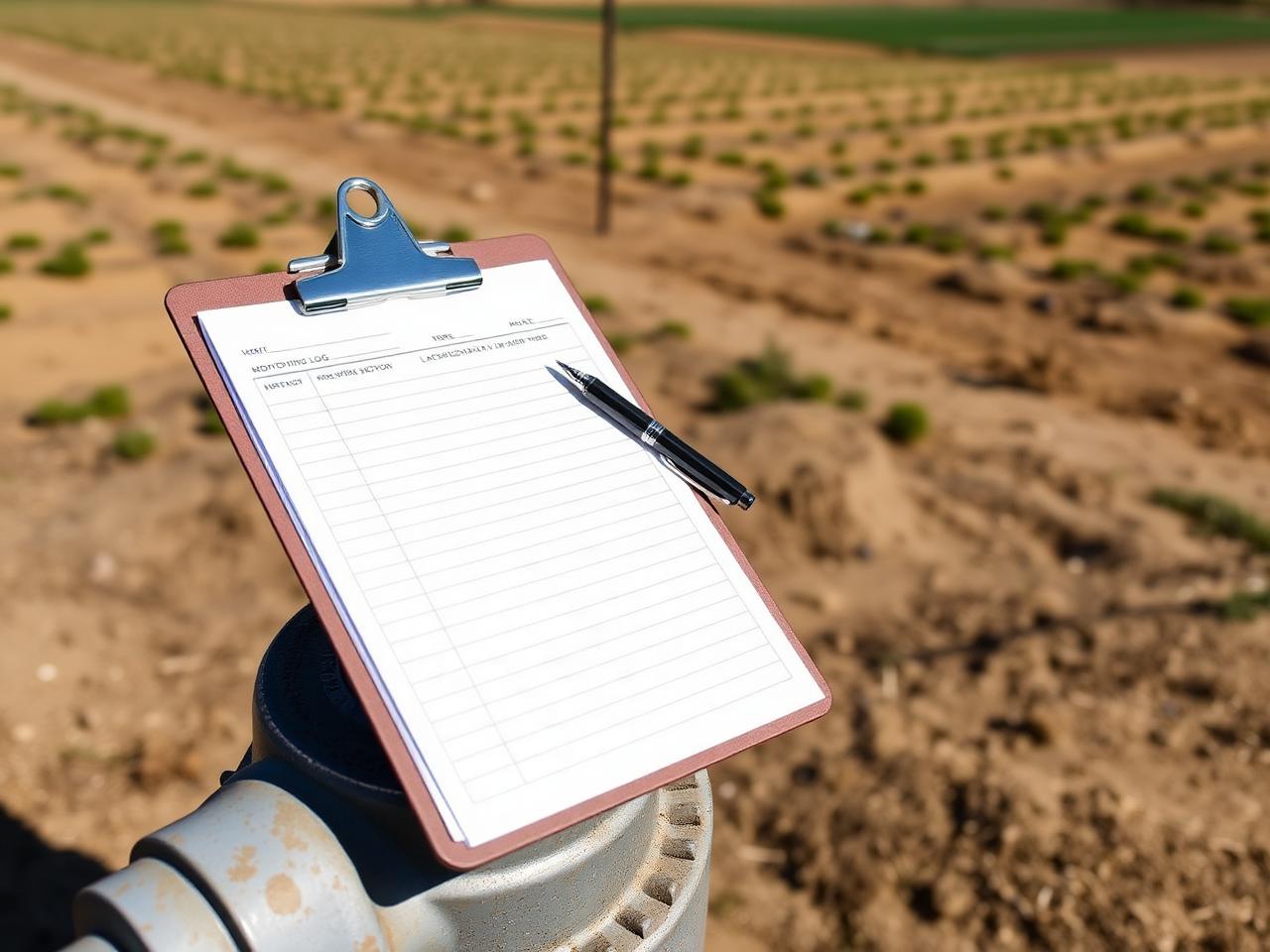
Water system violations, notices and corrective action
What to do when something arrives with a deadline on it.
- I received a drinking water monitoring violation. What should I do?
- Start by reading the notice for the requirement that was missed, the deadline and the agency issuing it. Monitoring violations usually come from a missed sample, a late sample or a reporting problem. Our process is to review the notice, work out what sampling or paperwork is required, schedule the work and help you complete the response.
- What happens if I miss a required water sample?
- A missed required sample can create a monitoring or reporting violation, and depending on the rule involved it may trigger follow up sampling, public notification or other corrective requirements. Do not assume the fix is simply taking the sample late. Follow the instructions in the notice from the agency that regulates your system.
- What is an MCL exceedance?
- An MCL exceedance means a result or a compliance calculation went above the applicable Maximum Contaminant Level for that substance. What has to happen next depends on the contaminant and the rule, and can include confirmation or repeat sampling, investigation, corrective action and public notification within a set timeframe.
- What should I do if my drinking water test comes back positive for E. coli?
- Contact your regulating agency and a qualified operator immediately rather than waiting for routine follow up. Under California's Revised Total Coliform Rule, certain E. coli positive results create an E. coli MCL exceedance and require prompt notification, a Level 2 assessment and Tier 1 public notice within twenty four hours.
- What does a positive total coliform result mean?
- A total coliform positive sample is an indicator that the system needs follow up under the Revised Total Coliform Rule. Depending on the circumstances, repeat sampling and a Level 1 assessment may be required. The point of that follow up is to find and fix the cause, not simply to collect another sample.
- What is a Level 1 assessment under the Revised Total Coliform Rule?
- A Level 1 assessment is a system evaluation required when specific total coliform triggers are exceeded. California requires the assessment to identify possible causes of the positive samples and the corrective actions taken or still needed. The completed assessment is generally due to the regulating agency within thirty days of the trigger.
- What is a Level 2 assessment?
- A Level 2 assessment is a more intensive evaluation tied to E. coli MCL conditions or to repeated treatment technique triggers. In California the regulating agency carries out the Level 2 assessment itself and identifies the corrective actions the system has to complete.
- What is a sanitary survey deficiency?
- A sanitary survey is a regulatory inspection covering a water system's source, treatment, distribution, storage, operations and management. If the agency finds problems, the owner receives a list of corrective items with deadlines attached. We can help coordinate the operator, sampling and corrective action work that falls inside our scope.
- What is a corrective action plan for a water system?
- A corrective action plan documents the steps a water system will take to resolve the deficiencies or violations it has been cited for, including who is responsible and when each item is due. Requirements vary by notice, so the plan has to be built around the specific direction given by your regulating agency.
- Can you help if I receive a boil water or unsafe water notice?
- Yes, within our certifications and scope we can provide urgent operator, sampling and coordination support. A boil water or unsafe water event can carry immediate public health and notification requirements, so the instructions from your regulating agency take priority over anything else. Call us and say it is urgent.
Consumer confidence reports, siting plans and SAFER status
The paperwork California expects on a schedule.
- What is a Consumer Confidence Report (CCR)?
- A Consumer Confidence Report is the annual drinking water quality report that community water systems have to give the people they serve. California also requires certain other systems to provide annual water quality reporting. The report summarizes source water, contaminants detected and compliance information for the year it covers.
- When is the annual Consumer Confidence Report due in California?
- California sets two dates each reporting year: one by which the report must be completed and distributed to consumers, and a later one by which certification must be submitted to the regulating district office or Local Primacy Agency. Check the current year's schedule rather than assuming last year's dates still apply.
- Can a small water system get help preparing its CCR?
- Yes. The State Water Board publishes CCR instructions and templates written specifically for small water systems. We can organize the monitoring data, the required content and the reporting steps, while the water system itself remains responsible for the certification and for distributing the report.
- What is a Bacteriological Sample Siting Plan (BSSP)?
- A BSSP identifies the routine bacteriological sampling locations on a system, the repeat locations, the triggered source sampling locations and the schedule or rotation used. California's Revised Total Coliform Rule requires the plan so that routine, repeat and triggered sampling can all be carried out correctly when they are needed.
- What is a SAFER report or SAFER status?
- SAFER is California's Safe and Affordable Funding for Equity and Resilience program. The State Water Board's needs assessment identifies failing and at risk systems using water quality, accessibility, affordability and technical, managerial and financial indicators. We can help investigate operational and compliance issues, but SAFER status itself is determined by the state.
- What does it mean if a water system is listed as failing or at risk in SAFER?
- A system on the failing list meets state criteria for being out of compliance or consistently failing to meet primary drinking water standards. An at risk system has been identified through the state's risk assessment as potentially at risk of failing one or more drinking water goals. The right response depends on which indicators drove the status.
- What is the Electronic Annual Report (eAR)?
- California's Electronic Annual Report collects information from public water systems about operations, finances, water quality, backflow and operator certification. Its water quality section covers items such as the sample siting plan, emergency plans, sanitary survey status and Consumer Confidence Report status, so the answers have to line up with your records.
- What records should a public water system keep?
- Required records vary by system and by rule, but they commonly include sampling results, monitoring schedules, operator information, compliance correspondence, public notices and submitted reports. Our compliance support covers regulatory recordkeeping and tracking based on what your particular system is required to hold and for how long.
Water operator certification, D2 and T2 explained
Who has to be attached to your system, and at what grade.
- What does a certified water operator do?
- A certified operator oversees the treatment or distribution functions appropriate to the system and to the grade of certification held. Depending on the system, that can include monitoring water quality, treatment or disinfectant dosing, operating the distribution system, maintenance, sampling and keeping the operational records the state expects.
- What is the difference between a water treatment operator and a water distribution operator?
- California certifies drinking water treatment operators in grades T1 through T5 and distribution operators in grades D1 through D5. Treatment certification covers treatment processes and controls. Distribution certification covers operation of the distribution system itself. A system may need one or both, depending on how it is classified.
- What is a D2 water operator?
- D2 is a California grade 2 drinking water distribution operator certification. It supports distribution system operator work within the scope the certification allows, covering the pipes, storage and delivery side of a system. Valle Water Services holds D2 #55420.
- What is a T2 water operator?
- T2 is a California grade 2 drinking water treatment operator certification. It supports treatment operator work within the scope the certification allows, covering the equipment that conditions or disinfects water before it reaches the distribution side. Valle Water Services holds T2 #45082.
Coliform, E. coli water testing and chain of custody
What gets collected, why, and how it reaches the laboratory.
- What is a water potability test?
- Potability testing checks drinking water for selected contaminants to help establish whether it meets applicable drinking water standards or the requirements of a transaction. The exact panel depends on why the test is being done, and commonly includes bacteriological and nitrate analysis.
- What is escrow water testing?
- Escrow water testing is water quality sampling carried out as part of a property transaction, usually where the property is served by a private well. Which analyses are required can depend on the buyer, the lender, the county or the terms of the sale, so confirm the exact panel before the sample is collected.
- What is nitrate water testing?
- Nitrate testing measures nitrate in the water supply. Nitrate is a regulated drinking water contaminant, and sampling for it may be required as part of routine monitoring, as part of a private well evaluation, or as follow up to a regulatory requirement placed on the system.
- What is the difference between total coliform and E. coli testing?
- Total coliform is used as a general indicator that something may be wrong in the water system. E. coli is a more specific indicator associated with fecal contamination and carries more urgent regulatory consequences. California's Revised Total Coliform Rule sets out the follow up required for each type of positive result.
- How quickly does a regulated drinking water sample need to reach the lab?
- Holding times depend on the analysis being run, and they are set by the receiving laboratory's instructions and the applicable method. Follow that laboratory's directions on bottles, preservation, temperature and holding time for your specific test. Missing a holding time usually means the sample is rejected and has to be collected again.
- What does chain of custody mean for a water sample?
- Chain of custody is the documented record of who collected a sample, who handled it and who transferred it, from the field through to the laboratory. Keeping that record intact preserves the traceability the laboratory and the regulator need. It is part of every sampling and courier run we do.
Still not sure what your notice is asking for
Send us the notice or tell us what it says. We will tell you what response it needs, what sampling is involved and what it costs.